
Depression: understand what it is, why it happens and what helps
Free to try · Responses are private & encrypted
Related tools
What does the Depression Mini Course cover?
What depression is and how it differs from feeling sad, the common symptoms, the mix of causes that can bring it on, and what helps, including talking therapy, small changes to daily routine and self-compassion.
Who is this Depression Mini Course for?
Helpful if you:
😔 Feel low, flat or numb most of the time
🛋️ Have lost interest in things you used to enjoy
🤔 Want to understand what is happening and what helps
For therapists:
Assign this course as psychoeducation for clients presenting with low mood, alongside the PHQ-9 depression test. Their symptom selections help open a conversation about what depression looks like for them. Fully HIPAA and GDPR compliant.
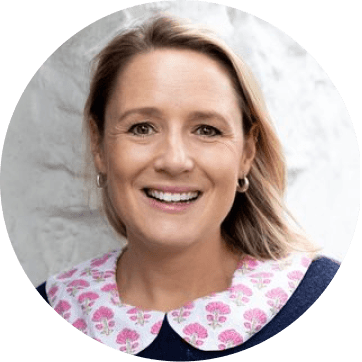
Dr Harriet Mellotte
Clinical Psychologist & CBT Therapist, BABCP
“Offload is a fantastic resource for both clients and therapists. The world of CBT has been lacking an app which enables the sharing of CBT worksheets and homework tasks between clients and therapists, but Offload completely does this, making the service we offer more professional and the benefits to clients greater.”
Frequently asked questions
What is the difference between depression and feeling sad?
Sadness is a normal emotion that comes and goes. Depression is a condition that affects how you think, feel and act for weeks or longer, draining energy and motivation, removing interest from things you used to enjoy and making everyday tasks feel overwhelming. It is common, and it is treatable.
What causes depression?
There is no single cause. It usually develops from several things coming together, such as stressful life events, long-term pressure or burnout, family history, loneliness, financial strain, trauma or negative thinking patterns that build up over time. Understanding your own mix helps you and your therapist decide what to work on.
What helps with depression?
Talking to a GP or mental health professional is the first step. Talking therapy such as CBT, sometimes alongside medication, is effective for most people. Small daily changes such as going outside, contacting someone you trust and doing something you used to enjoy also make a real difference over time, as does treating yourself with compassion.
Can my therapist assign this course?
Yes. Therapists on Offload can assign this course as psychoeducation for low mood, alongside the Depression Test. Your symptom selections help open a conversation about what depression looks like for you. Your responses are available for them to review before your next session. Fully HIPAA and GDPR compliant.
Are you a therapist?
Assign this therapy tool and 200+ other interactive tools directly to your clients. Build personalised care plans, customise tools, and review client responses before sessions. HIPAA and GDPR compliant.
Explore Offload for therapists