
Evidence-based tools, insights, and guidance to improve mental wellbeing

What Are Automatic Thoughts?
Have you ever caught yourself thinking, ‘I’ll never get this right’ or ‘They probably don’t like me’ - almost without realizing it? These are automatic thoughts, the quick, instinctive reactions our mind has to situations. They happen so fast we often accept them as facts without questioning them.
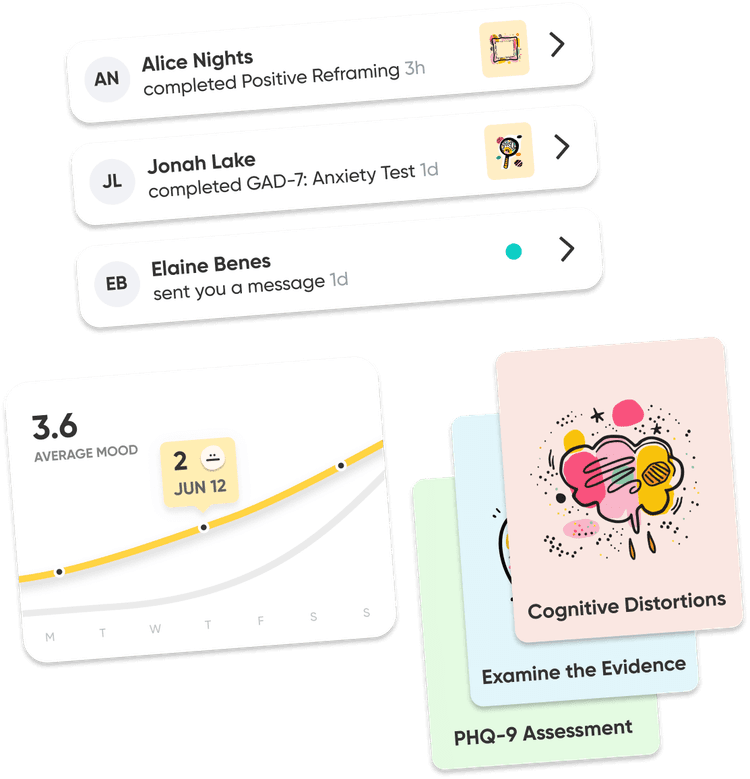
What Are Digital Therapy Tools?
How today's mental health professionals are turning to digital therapy tools and worksheets to enhance client outcomes, streamline sessions, and save time.
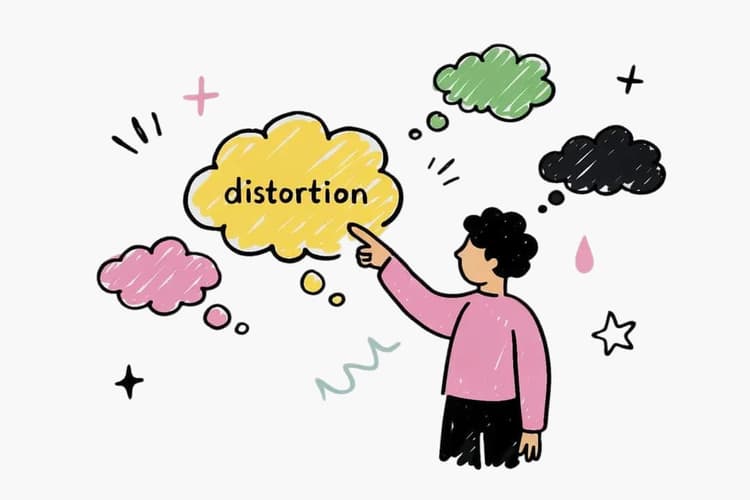
What Are Cognitive Distortions? The Thinking Traps That Keep You Stuck (And How to Break Free)
Cognitive distortions are thought patterns that feel completely true but quietly make everything harder. Here's how to spot the most common ones - and what to do when you notice them.

How Offload Supports Therapist-Client Work: A Guide for Mental Health Professionals
Offload gives therapists over 170 evidence-based tools to assign to clients. Assign in seconds, see responses before every session, and spend less time on admin.

How Therapists Can Know What's Really Going On With Clients Before Every Session
Research shows therapists often overestimate client progress and miss signs that a client is getting worse. Structured pre-session insight helps you see where each client is before the session starts.

What is a Thought Record in CBT? (And how it can change the way you think)
Feeling stuck in negative thoughts? A thought record helps you pause, question, and reframe them. It's one of CBT's most powerful tools - and it's simpler than you think.
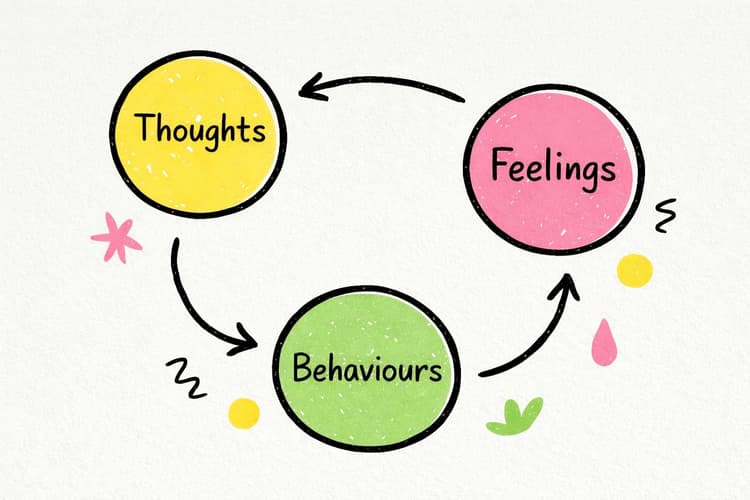
What Is CBT? A Plain-English Guide to Cognitive Behavioural Therapy
CBT is one of the world's most researched therapies - but what actually happens in a session? Here's a plain-English guide to how it works and what it can do for you.